
Bungkos Lakas Kababaihan Laban sa Kahirapan, Inc.
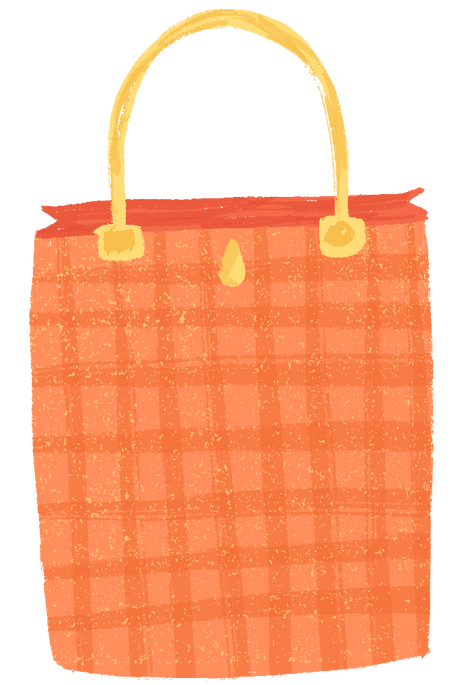
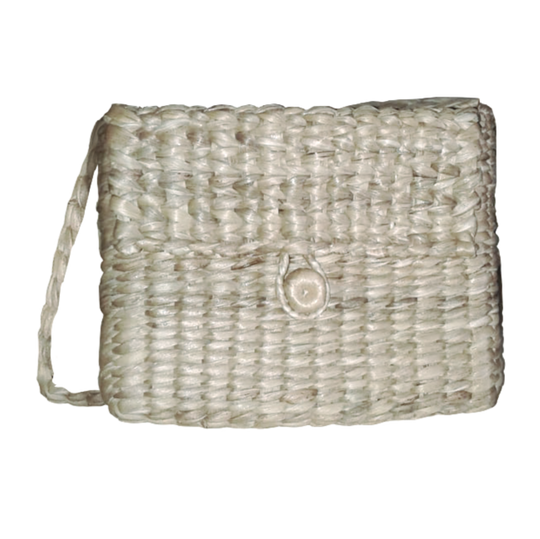
Handcrafted from selected waterlily materials, this eco-friendly bag sports a traditional and elegant Filipino look. Match it with your favorite outfit to fashionably store/access personal items. Comes in small, medium, and large sizes.
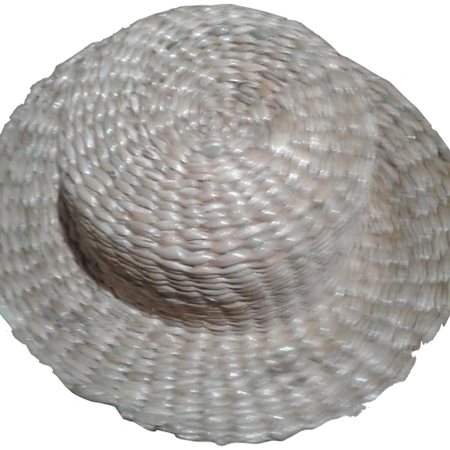
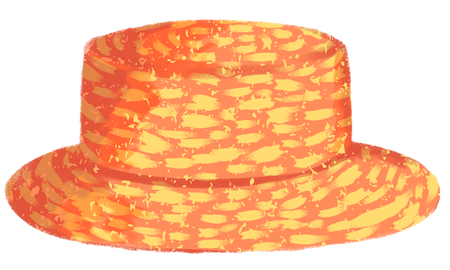
This chic sun hat is handcrafted and woven from airy, lightweight waterlily material. It is perfect to rock during a sunny day, providing ample coverage when you’re out and about.
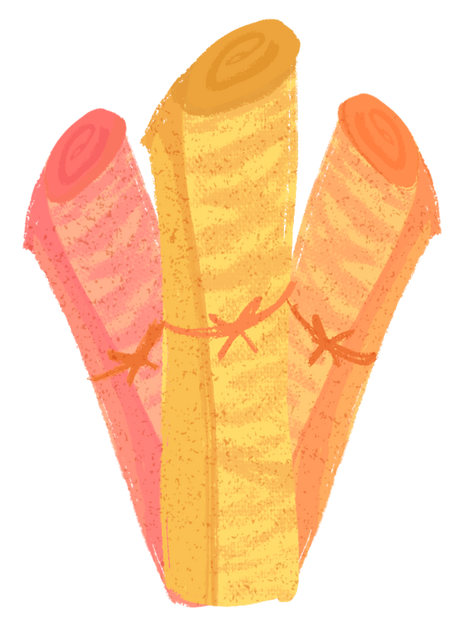
These handwoven mats (banig), made of waterlily material, are great for chilling or napping on. Constructed for indoor and outdoor use, these banigs are ideal for picnics and a variety of activities.
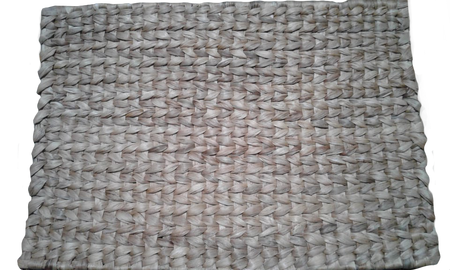
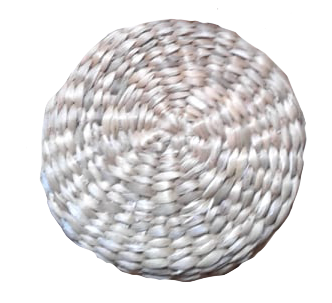
These waterlily-woven placemats are an essential for setting the table. Keep your dining area clean and neat with these placemats, helping with the inevitable spills and protecting the table surface against heat, cold, and food.
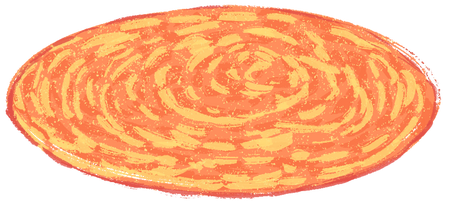
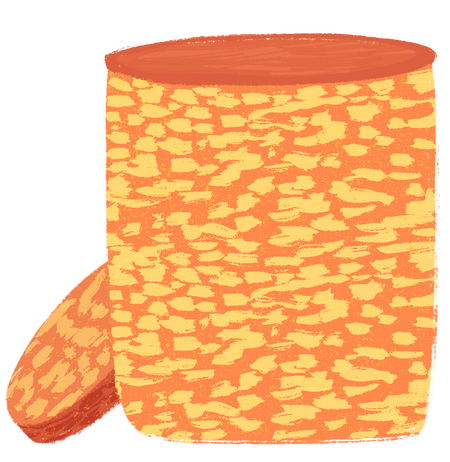
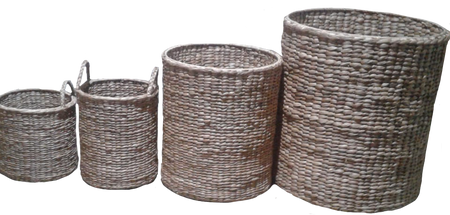
These eco-friendly traditional baskets, woven out of selected waterlily material, are perfect for holding/storing items while giving your home a Filipino vibe. Comes in rectangular or circular styles and are available in small, medium, and large sizes.
For a community in Barangay Dalig, Cardona, what was once considered a salot, or pest has come to symbolize hope and agency. The experiences of the people of BULAKLAK Inc., serve as testimony to what can be achieved when there is collaborative problem-solving between the LGU, local communities, and other NGOs.
How the initiative began
Mayor Bernardo P. San Juan established a Water Hyacinth Primary Processing Center in 2012 in efforts to repurpose the invasive water lilies as materials for an alternative means of livelihood. At the time of its incubation, the project was sponsored by the Department of Science and Technology - Forest Products Research and Development Institute (DOST-FPRDI), and Taiwanese-owned Magic Clean Company. The funding they provided enabled the LGU to supply the raw materials that the CSO uses to create the product and to jumpstart the project According to the CSO members, the department consists of eight (8) employees, and the work is divided between those who harvest the water lilies from the lake, and those who dry the harvested water lilies in the LGU’s warehouse. Wennie Ramos, a member of the Board of Directors of BULAKLAK Inc., also works in the LGU’s department and serves as the coordinator between the LGU and the CSO.
In order to actually create the products, the CSO learned the patterns and the process of weaving the water lilies in workshops facilitated by the Villar Foundation, as well as from students in partner schools and universities that would have their area engagements in their community. Members also took the initiative of passing on their knowledge to family members, and other members that also wanted to learn the process. In fact, teaching the process of creating the product has actually become a source of friendship and bonding for some members of the community. Ramos shares, “yung pag-aaral ng paggawa ng water lily, medyo mahirap siya, so talagang kailangan meron kang pagtatanungan. Nagkaroon ako ng mga kakilala na mapagtatanungan ko kung papaano yung mga gagawin ko sa mga produkto na eventually naging ka-close ko na din.” [Learning how to make water lily products is a bit difficult. You really need to know someone that you can ask tips and advice from in terms of creating the products. I met people that helped me and I eventually became close to them.]
How the products are made
After the water lilies are harvested from the lake, it takes 7-10 days for them to be completely sun-dried. Members of the community consider this to be the most crucial stage, since molds can form on water lilies that have been left wet and moist for too long. In this case, those water lilies would then be considered “rejects” that can no longer be used as raw materials. Furthermore, changes in weather conditions also makes this part of the process particularly delicate, since wetter weather can entail longer drying times, thereby making the formation of molds more likely.
Due to this, the CSO only gets the water lilies when orders are confirmed. The LGU then sells this to them in bundles for a minimal cost.
Afterwards, the members of the community proceed to weaving the strands of water lilies into products such as hats, bags, mats, coin purses, wallets, and even costumes, upon request. Smaller products such as wallets and coin purses are the easiest to make, whereas larger products like baskets and bags take the longest to weave. These products usually take a dedicated afternoon to put together. Reah Mingming Wesley, the Vice President of the CSO admits, “Sa totoo lang po, ako po kasi, kapag ako naupo sa isang ginagawang ano, gusto ko dere-derecho. Ayokong tatayo hanggang hindi tatapos.” [To be honest with you, I’m the type of person that once I sit and start doing something, I want to do it continuously. I won’t stop or stand until it’s done.] At times, Ramos reveals that larger orders even necessitate enlisting the help of her husband.
After weaving the product, a varnish or acrylic emulsion is applied on it, and then it is left to dry. Once drying is done, the product is then sold.
If the order was received through the LGU, the product is returned to the warehouse where it will be stored until it is sent out for delivery. If not through the LGU, the CSO can also sell their products through a reseller that they are connected with. At times, customers will also go to them directly to purchase their products.
Ramos elaborates her first sale, “Nung una, pinag-aaralan ko lang yung pagagawa ng mga bag. Then nung may nag-immersion na dito sa community naman, may nakakita ng mga bags ko na water lily, nagandahan siya, bumili siya ng ilang piraso. Then, after a week, umorder siya ng marami-rami na pangbenta na sa ibang students. Masaya kasi nagkaroon ako ng karagdagang income dito sa amin bukod sa trabaho, mayroon pa kaming sideline.” [At first, I was just learning how to make bags. Then, when a group of students had their immersion in our community, someone saw one of the bags I made from the water lilies. They thought it looked good and bought a few pieces. Then, after a week, they bought a larger order to sell to other students. I was happy because I had an extra means of income aside from my job - I had a sideline.]
The process of making their products -- as well as learning how to make them to begin with -- is a long and challenging one, and so the members of the community express that they feel a sense of fulfillment after finishing an item. Ramos shares that in spite of the difficulties that she faces when creating the products, “[...] ang sarap siya sa pakiramdam na makikita mo yung finished product mo tapos makikita mo na maganda yung kinalabasan.” [It feels really good when you finish making the product and see that it turned out well.]
Although the water lilies have been described as “public enemy number one” for the people living in Cardona, the transformation of these water lilies into products correspondingly allows for the transformation of the community in terms of environmental, economic, and even gender empowerment. Through the community’s pagdidiskarte [strategy], and its collaboration with other institutions, they were able to craft sustainable solutions that remain cognizant of both environmental and social welfare.
Learn More
https://pia.gov.ph/features/articles/1048458
https://fprdi.dost.gov.ph/210-cardona-folks-winning-the-war-against-water-hyacinth
https://www.facebook.com/CardonaWHPPC/